Invisible calories can quietly change your entire day
Oils, sauces, drinks, bites, and snacks are small on the plate but large in your energy budget.

The difference between maintenance and fat loss can disappear inside cooking oil, coffee drinks, and "just a bite."

01 / Tracking
The unhealthy habit
A common explanation is "I barely eat," while the day includes sweet coffee, salad dressing, cooking oil, nuts, tasting while cooking, and a few bites from someone else's plate. None of these feel like meals, so the brain does not count them.
The marketing problem with invisible calories is that they do not feel like a decision. A latte is a routine, dressing is part of a salad, oil is part of cooking, and bites while making dinner feel too small to matter. But from an energy-balance point of view, the body does not separate formal meals from extras. It receives the total. [2]
02 / Tracking
The better adjustment
Track the calorie-dense extras for two weeks: oils, spreads, sauces, alcohol, juices, specialty coffee, nuts, and desserts. You do not need to ban them. You need to budget them with the same honesty as rice, chicken, or vegetables.
Start with the categories most likely to be missed. Measure cooking oil once so you know what your usual pour looks like. Log coffee add-ins instead of just coffee. Add sauces and dressings as their own line item. If you drink alcohol, count the drink and the food decisions that tend to come after it. This is not about guilt; it is about closing the gap between what you remember eating and what your day actually contained. [1]
03 / Tracking
How CrosWeight helps
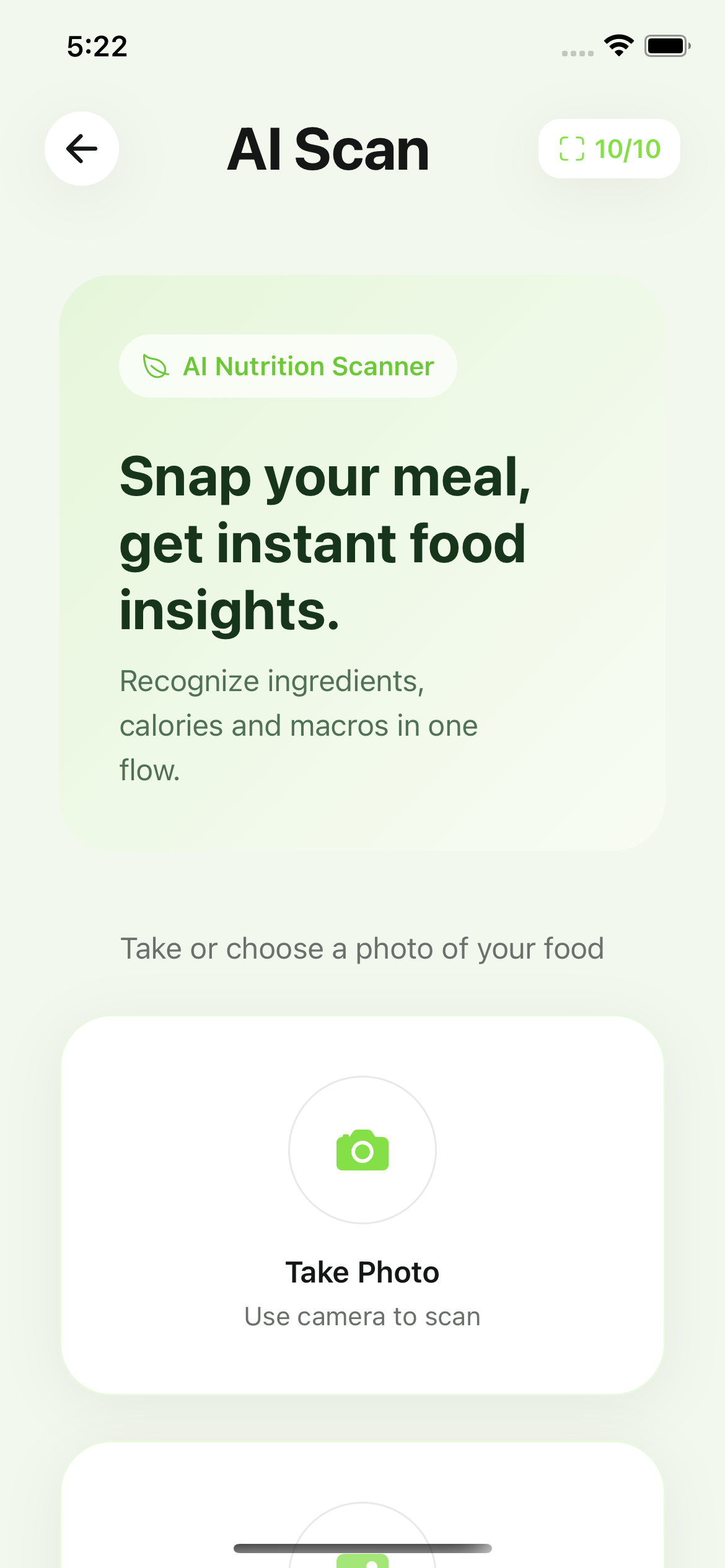
When you log meals consistently, CrosWeight makes hidden patterns visible. The app helps you attach estimates to the extras that are easy to forget, so the weekly picture becomes much clearer.
After a few days, look for repeatable moments rather than one-off mistakes: the same coffee order, the same lunch dressing, the same evening snack, or the same weekend drink pattern. These are high-leverage changes because adjusting them does not require redesigning your entire diet.
Try this week
Turn the idea into a 7-day experiment
Pick one behavior from this article and test it for a week before changing anything else. Nutrition gets confusing when every variable moves at once. Keep your meals familiar, log them consistently, and look for the pattern that repeats.
At the end of seven days, compare your average intake, hunger, energy, and weight trend. If the trend is moving in the right direction, keep going. If it is not, make the smallest adjustment that targets the actual bottleneck instead of restarting with a stricter diet.
CrosWeight note
Where CrosWeight fits
The app is most useful when you want less friction between eating, logging, and learning. In this guide, that means:
- Log sauces and drinks alongside meals
- Spot calorie spikes by day
- Build a more honest weekly average
Sources